Advanced Technologies

Advanced Technologies

What to expect

Treatment at the clinic is based on a combination of broad clinical experience and the use of advanced technological tools. Technology enables more precise diagnosis, careful planning, and a clear presentation of the treatment process and expected outcome. The use of digital tools helps support informed decision-making and the building of a personalized treatment plan.

Who is the treatment suitable for?

The use of advanced tools is relevant to every patient, and especially in cases of aesthetic, restorative, or complex treatments. Technology makes it possible to understand the condition more precisely and plan treatment accordingly.

What the treatment process looks like

The workflow begins with precise data collection using imaging, scans, and digital documentation. Based on the findings, treatment is planned using computerized tools, examining different options. In aesthetic and restorative cases, a simulation of the result can be shown to the patient, as part of the decision-making process. The information is stored, enabling monitoring over time and comparison between different stages.
Benefits of the treatment

Precise, data-driven diagnosis
Careful planning before treatment begins
Clear presentation of the expected result
More precise personal customization
Option for monitoring and comparison over time

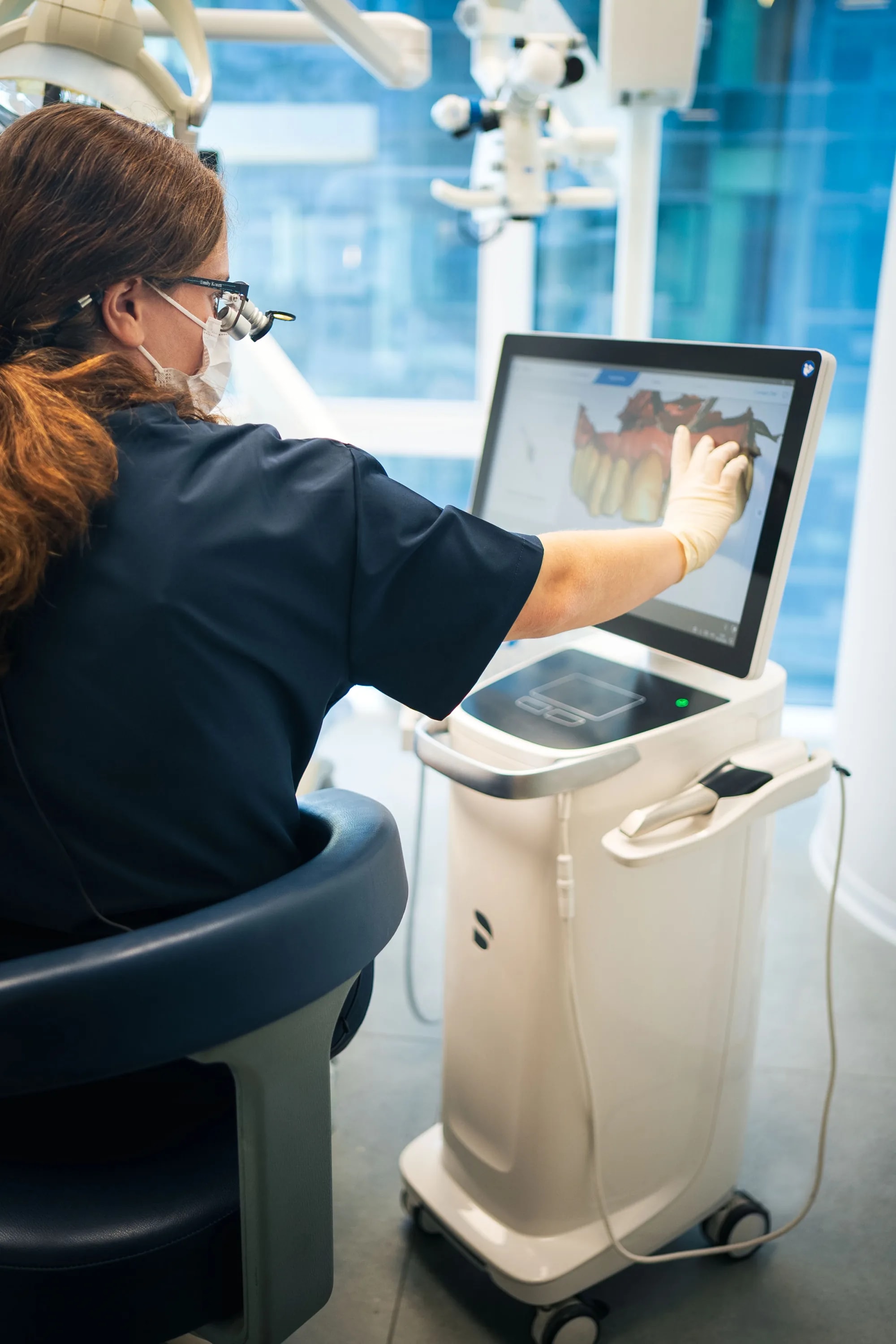
Intraoral Scans

An intraoral scan is a digital scan of the mouth taken with a small, comfortable camera. It often replaces the need for traditional impressions and provides a precise image of the teeth, gums, and bite.

High comfort for the patient
Maximum planning precision
Immediate results
Option for simulation and clear explanation
A quality basis for restoration, aesthetics, and orthodontics

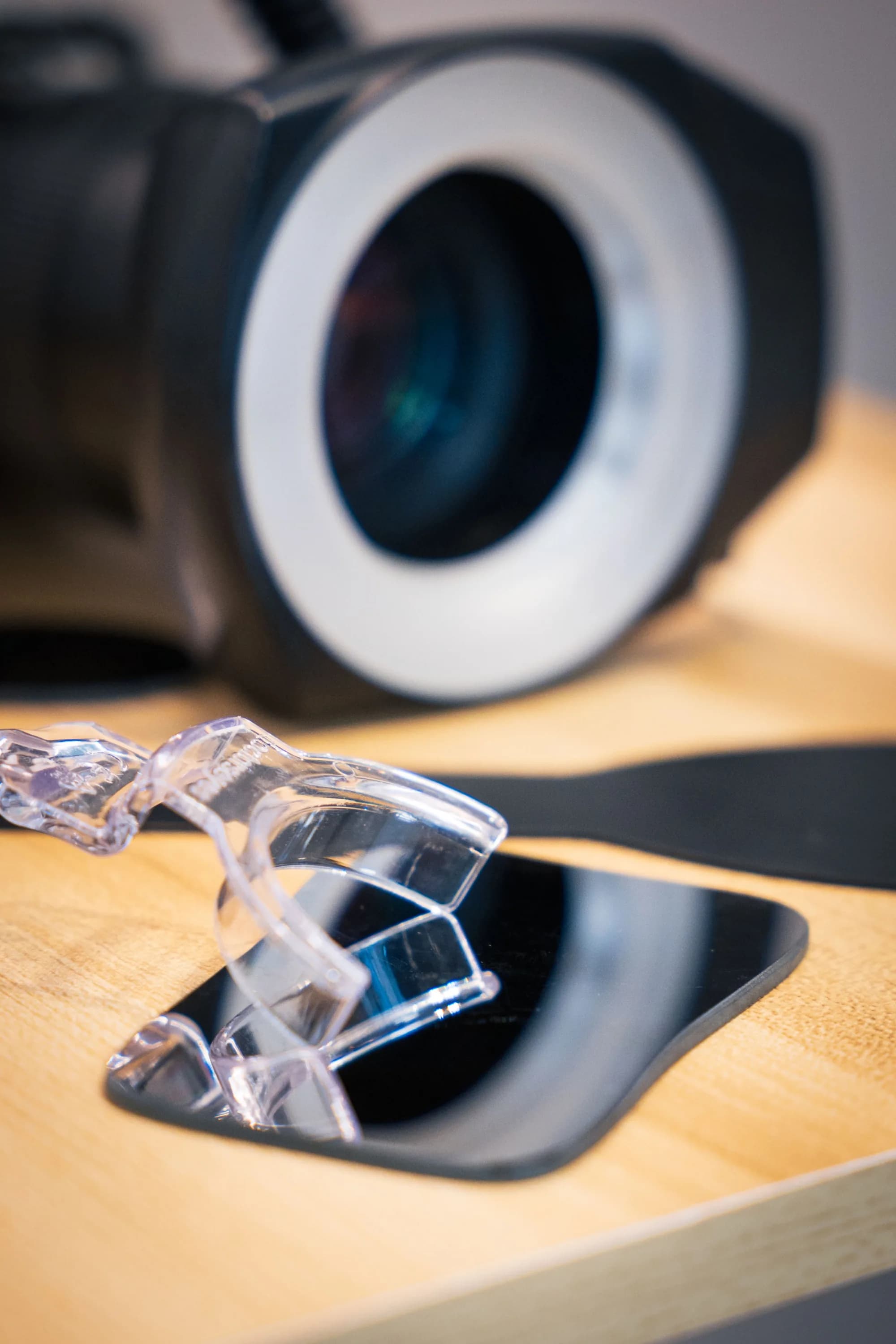
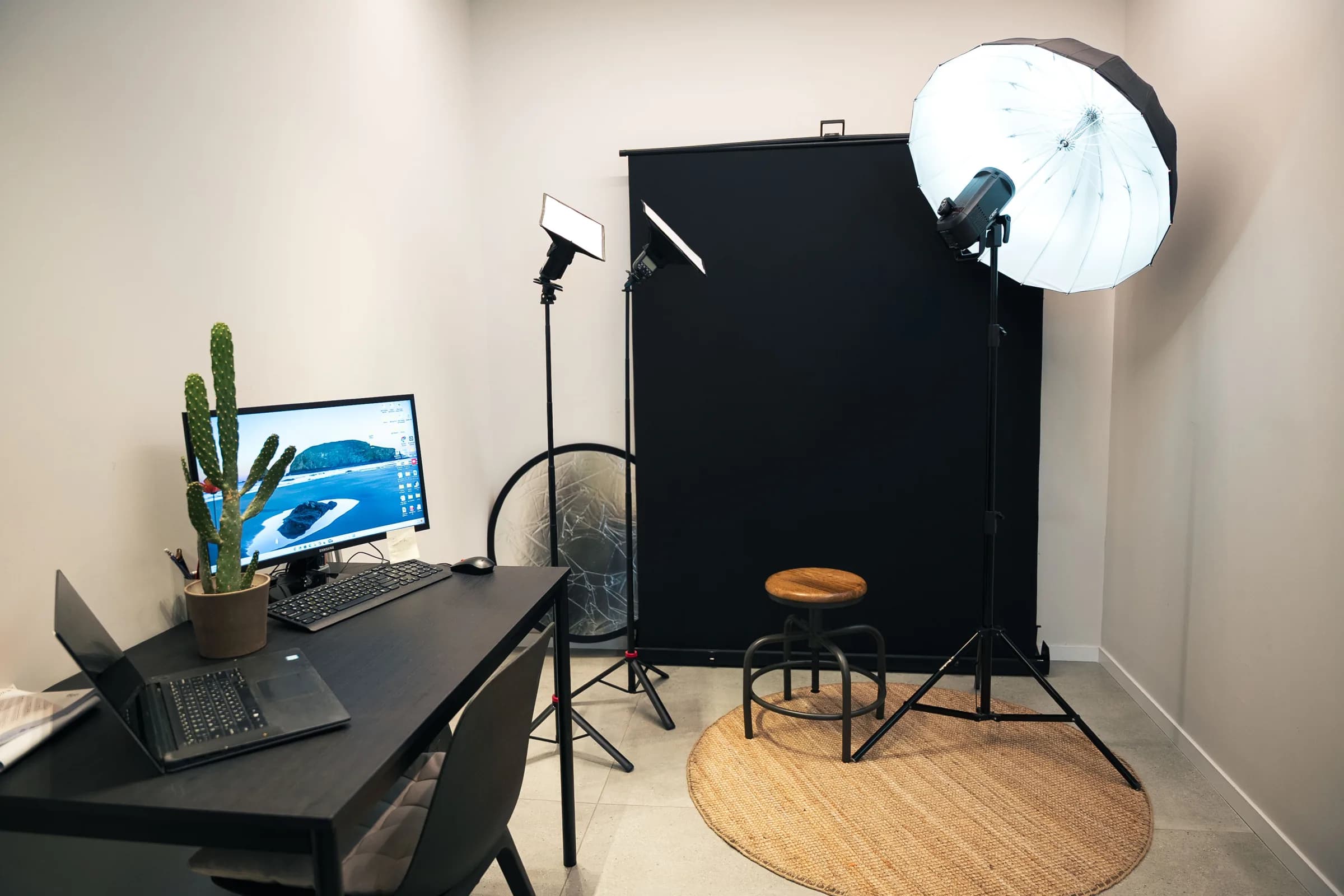
Dental Imaging & Documentation

The basis for precise diagnosis and aesthetic planning. Dental imaging makes it possible to document the condition of the teeth and gums clearly and in detail. The documentation serves as an important tool for diagnosis, aesthetic treatment planning, and monitoring over time. The images make it possible to see changes, refine planning, and clearly explain the condition to the patient.

Dental Imaging & Documentation

Digital Simulations & Dental Planning

A clear illustration of the treatment process and result. Digital simulations make it possible to plan treatment in advance and show the patient the aesthetic and functional direction. This allows decisions to be made collaboratively, based on an understanding of the options and expected result. The simulation is part of a careful planning process, not a substitute for it.

Digital Simulations & Dental Planning

Digital Matrices

Precision in execution and maintaining the treatment plan. Digital matrices make it possible to precisely translate digital planning into the execution stage. They help reproduce shape, proportions, and position, according to the plan set in advance. Their use supports precision and consistency in the final result.

Before & After Photos

Tracking the process and result. Before-and-after photos make it possible to document the condition of the teeth at the start and compare it to the result after treatment. The documentation helps assess the process, provide transparency with the patient, and present real results. It also helps other patients understand the options available, based on similar cases.

Before-and-after photos, like simulations and digital matrices, are meant for illustration, planning, and tracking. Every treatment is individually tailored, so the actual result isn't necessarily identical to any example shown.

FAQs

Digital dentistry combines advanced technologies for diagnosis, planning, and treatment, making the process more precise, comfortable, and transparent. The technology supports informed medical decisions and keeps the patient involved throughout.

No. Technology is only a supporting tool. Medical decisions are always made based on clinical examination, professional experience, and listening to the patient.

An intraoral scan is a digital scan of the mouth taken with a small, comfortable camera. It often replaces traditional impressions and provides a precise image of the teeth and gums.

No. The scan isn't painful, isn't invasive, and is considered very comfortable for patients.

The scan is more precise, more comfortable, and enables more advanced treatment planning. It also lets you see the result immediately and make adjustments if needed.

Photographs make it possible to align expectations, plan precisely, and clearly document the condition of the mouth before and after treatment. They also help the patient better understand the process.

Digital simulations show an estimated treatment outcome before it begins, mainly for aesthetic and restorative treatments, and serve as a planning and illustration tool. It's important to know that a simulation isn't a commitment to an identical real-world result — it's meant for planning and aligning expectations only.

Digital matrices are advanced planning templates, based on scans and photographs, that enable a high level of precision in restorative and aesthetic treatments. They create a clear link between the planning stage and the execution stage, improving precision and supporting transparency and understanding of the treatment process.

Not necessarily. The use of technology is tailored to the clinical need and the type of treatment, and is applied when it contributes to precision, understanding, or the result.

Ready for a Better Experience?

Reach out to us to schedule a check-up and build a personalized treatment plan. We'd love to guide you with professional, precise, and human care.

Book an Appointment
Contact Us